First of all, welcome! Whether you’re switching from Qwilr because you find the editor confusing or you can’t adapt it to your more complex deals, it’s great to have you on board. You’re in the right place if you’re particular about your branding, but can’t justify the Qwilr Enterprise plan.
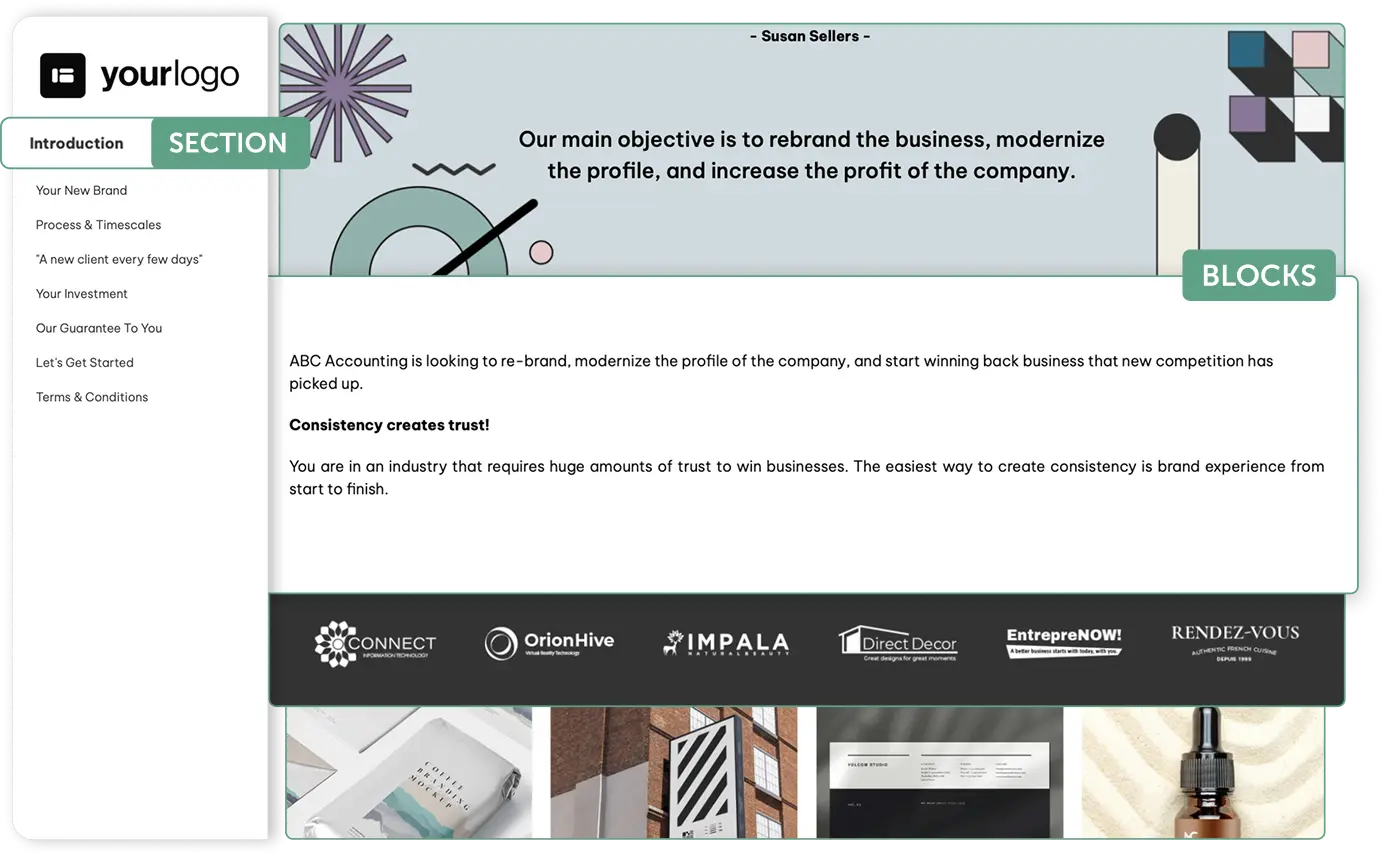
Like Qwilr, Better Proposals is web-based, and we both use blocks to build documents. That said, there is one crucial difference - Better Proposals lets you organize those blocks into clear sections.
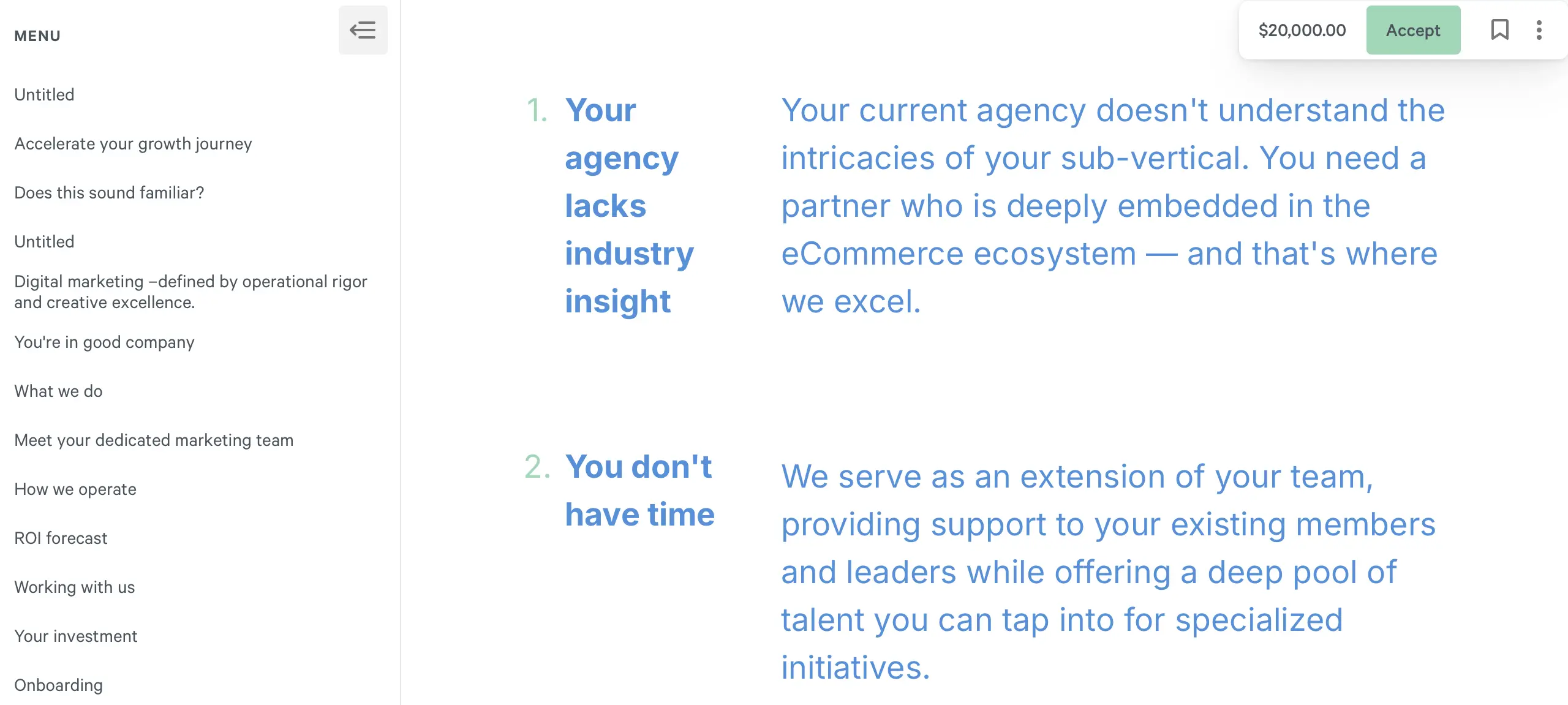
In Qwilr, everything is a block, so the navigation menu gets cluttered fast as your document grows. On top of that, when you expand Qwilr's navigation menu, it pushes into the document. This makes the content reflow both while you’re editing and when your client is viewing the finished proposal.
With Better Proposals, you’re working with a true sections and blocks system. Sections group your content logically, and blocks sit neatly within them.
The section menu in Better Proposals is a part of the document structure rather than sitting on top of it. It doesn’t shift or compress your content, so what you see while editing is what your client gets.
Templates
Qwilr’s template options are limited, and creating documents from scratch isn’t as straightforward as it should be. They do offer a way to import PDFs using AI, which sounds convenient in theory.
In practice, the import requires a lot of cleanup before the document is usable.
It’s also not clearly documented how their AI workflow handles content from uploaded PDFs. If you’re working with sensitive information, this is definitely something to consider.
Better Proposals gives you a more reliable starting point. You can import a Word document, which lets you bring in your template without relying on AI interpretation. Combined with over 250 ready-made templates, it’s easier to create documents that match your workflow from the start.
Making the switch
The first thing you’ll notice when switching to Better Proposals is how much more control you get before you even start creating a proposal.
Instead of jumping straight into a document and figuring it out as you go, Better Proposals gives you a set of global settings. Think of these as a control panel for your entire workflow.
Start by defining your company details, branding, default currency, tax rate, and setting up your products and services. Once you've done that, you can set up your integrations and create an onboarding flow that will show up automatically right after signing.
With Qwilr, a lot of these choices happen inside each individual proposal or don't exist at all. In comparison, working in Better Proposals feels less like building a document from scratch and more like working within a system that’s built to support you.
Getting your Qwilr template into Better Proposals
There are two ways to get your templates transferred from Qwilr into Better Proposals. The first option is by copying and pasting your content directly into Better Proposals.
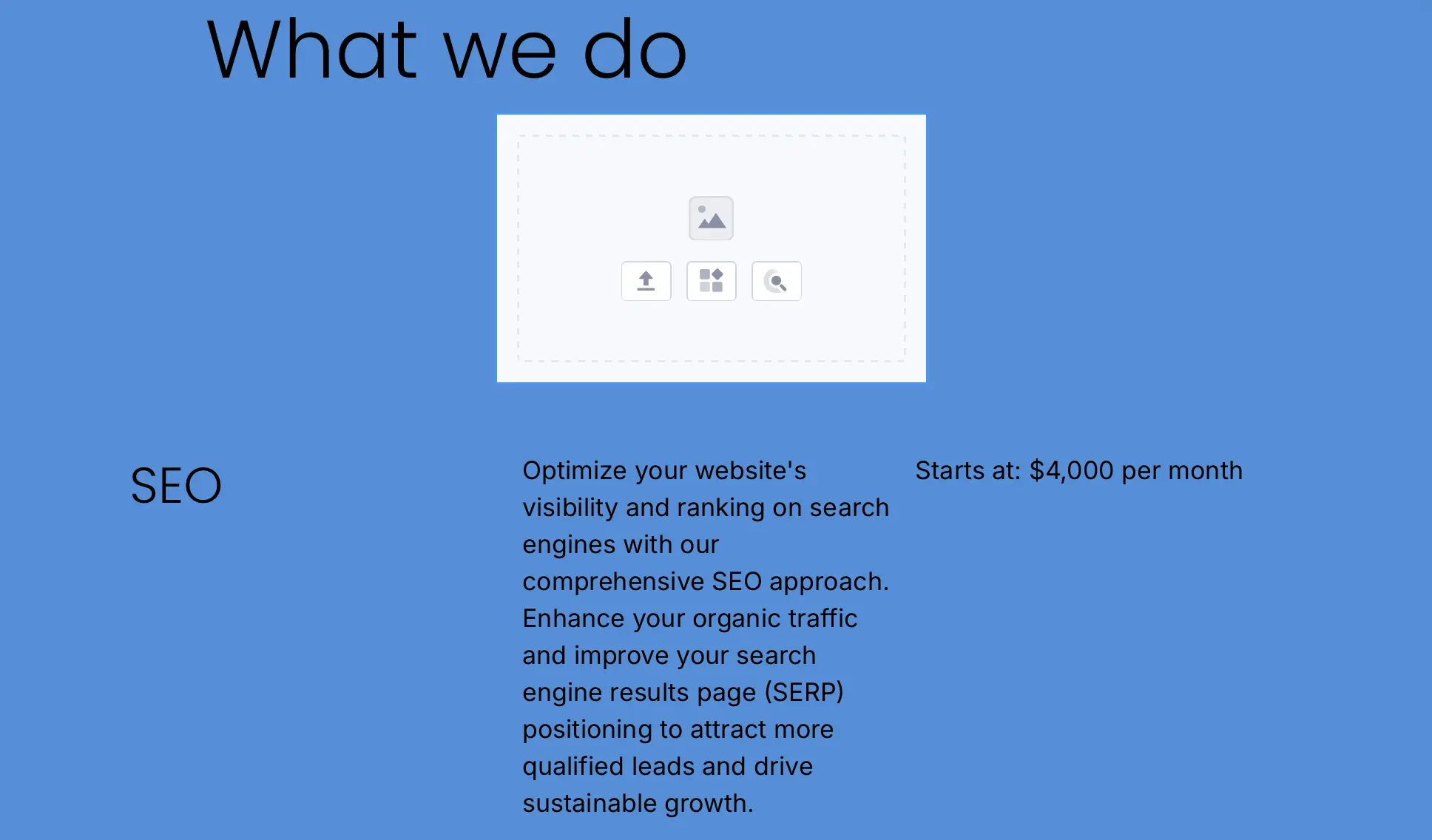
In essence, you count up your sections in Qwilr and add them into Better Proposals down the left like this:
Once you’ve done that, count out a few natural breaks for each section, add the correct number of blocks, then copy and paste the content. A 15-page proposal with 8 sections shouldn’t take much longer than 10 minutes to copy in.
That should get your basic structure in place.
The second option is by copying your content into a Word document and then importing it using our document importer.
This is usually faster, especially if you're working with a more detailed template. Rather than copying everything piece by piece, you bring in a full draft in one go and then refine it.
Taking your template a step further
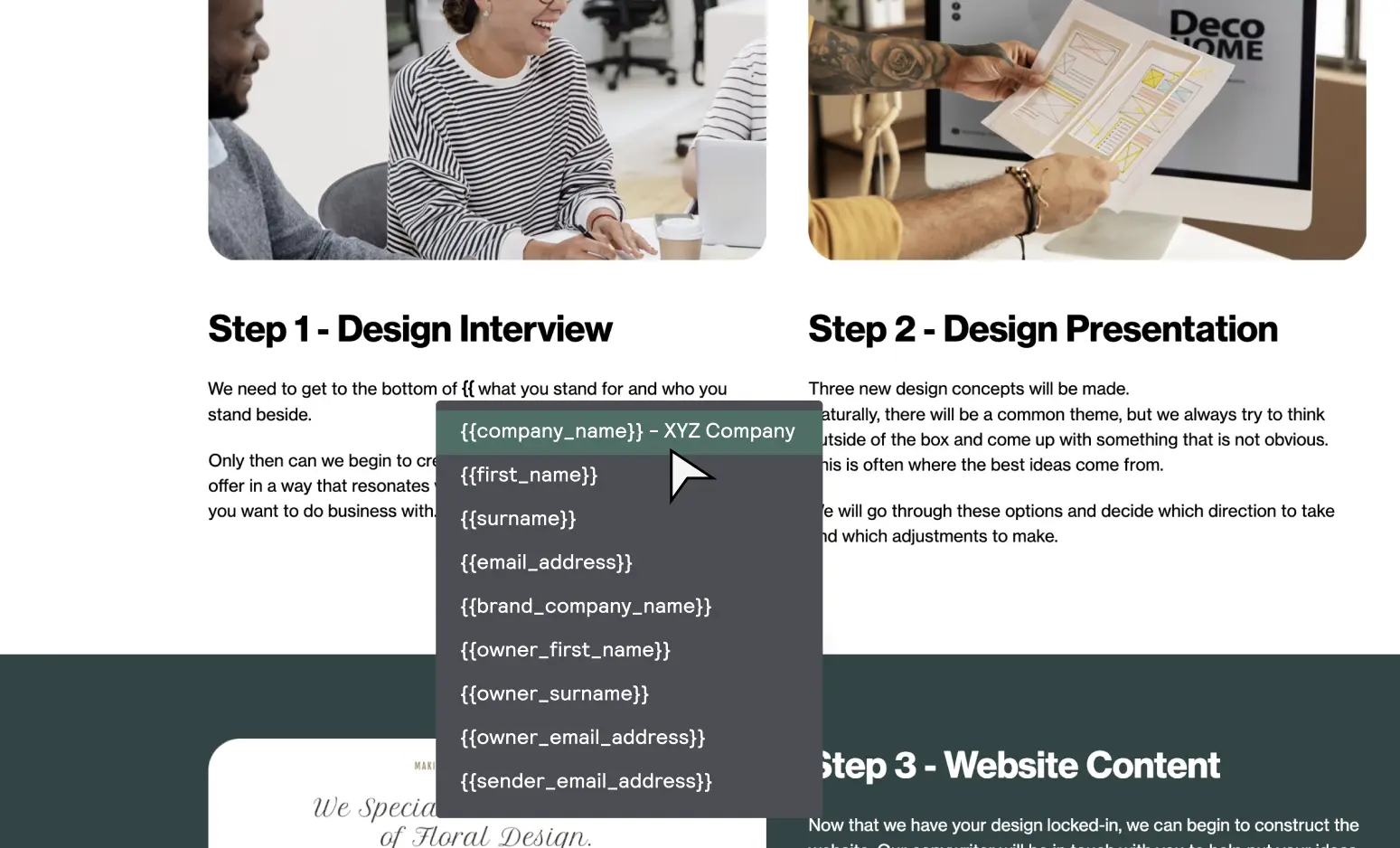
With your global settings done and template transferred, there's one more thing you can do to make your workflow even simpler. Replace static content with merge tags where it makes sense. Think client names, company details, document expiry dates, and so on.
In Qwilr, these fields are placeholders that you still need to fill in manually for every document. In Better Proposals, they actually connect to your data and pull it in, which removes a lot of repetitive work and helps prevent mistakes.
What about historical data in Qwilr?
Qwilr doesn’t let you export analytics, but it does have a PDF export function for each proposal. So, once you've exported all the relevant proposals as PDFs so you have them on file, you are free to cancel your Qwilr account.
If you have any questions about this process or how to go about switching in the most hassle-free way, just reach out to us. You can get in touch with our customer support team at any time of the day by using the chat in the bottom right. They will help guide you through the transition and know the answers to all questions related to the Better Proposals platform.
Get Started Free with Better Proposals
Start sending beautifully designed, error-free documents that inspire immediate trust with your clients. Automate tasks, track your deals, and always follow up at the right time.